
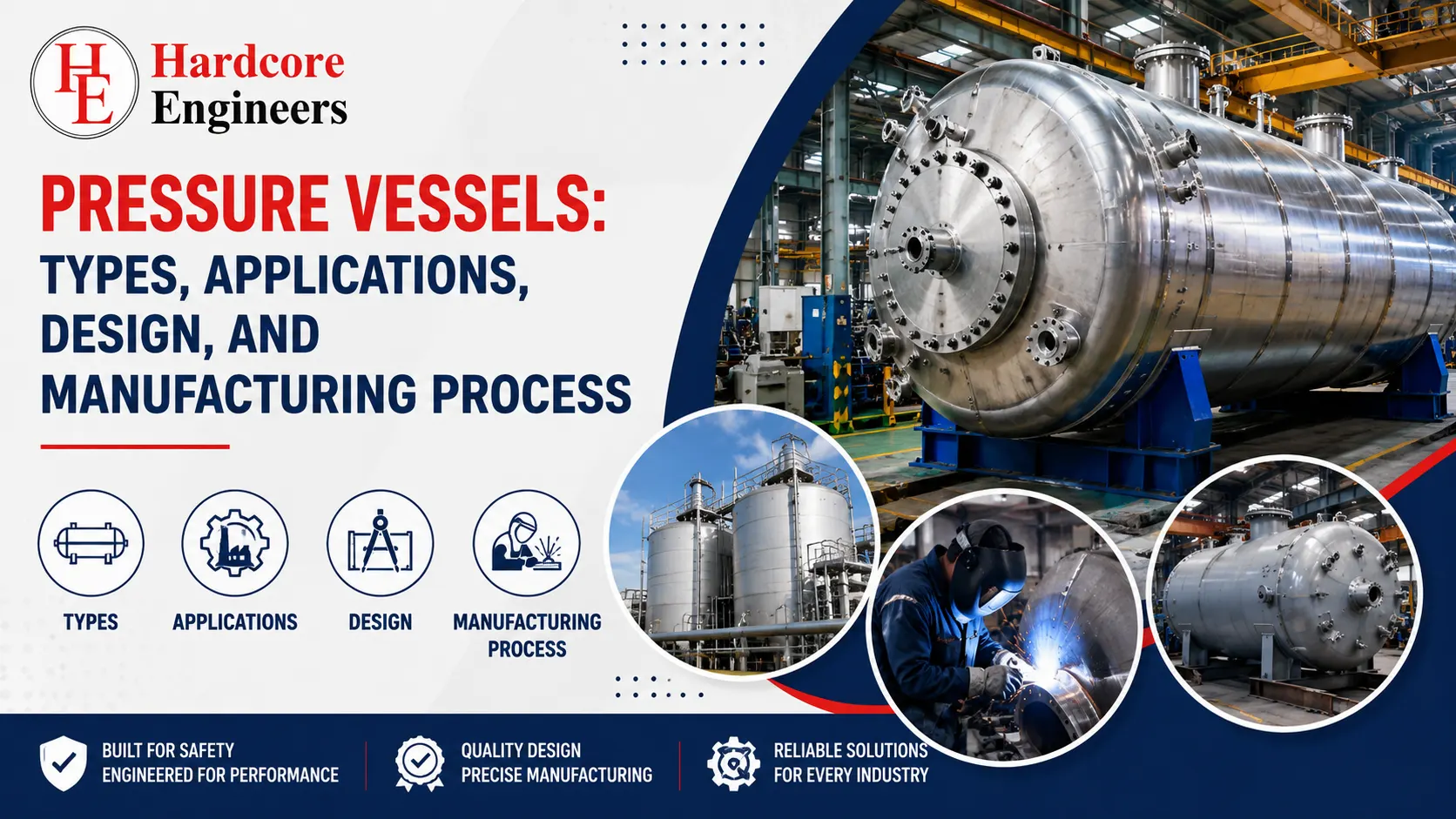
Pressure vessels are specially designed containers used to store or process gases and liquids at pressures that are different from atmospheric pressure. They are widely used in industries where fluids or gases need to be safely contained, heated, cooled, separated, or processed under controlled pressure conditions.
Because pressure vessels operate under pressure, their design, material selection, fabrication, inspection, and testing require careful engineering. A properly designed pressure vessel helps improve operational safety, reliability, and service life.
What is a Pressure Vessel?
A pressure vessel is a closed container designed to hold gases, liquids, or mixtures at a specified internal or external pressure. These vessels can be manufactured in different shapes and sizes depending on the application, operating pressure, temperature, material, and available installation space.
Common examples include air receivers, storage vessels, reactors, heat exchangers, boilers, separators, and process vessels.
Pressure vessels are used in industries such as chemical processing, pharmaceuticals, oil and gas, petrochemicals, food processing, water treatment, power generation, and manufacturing.
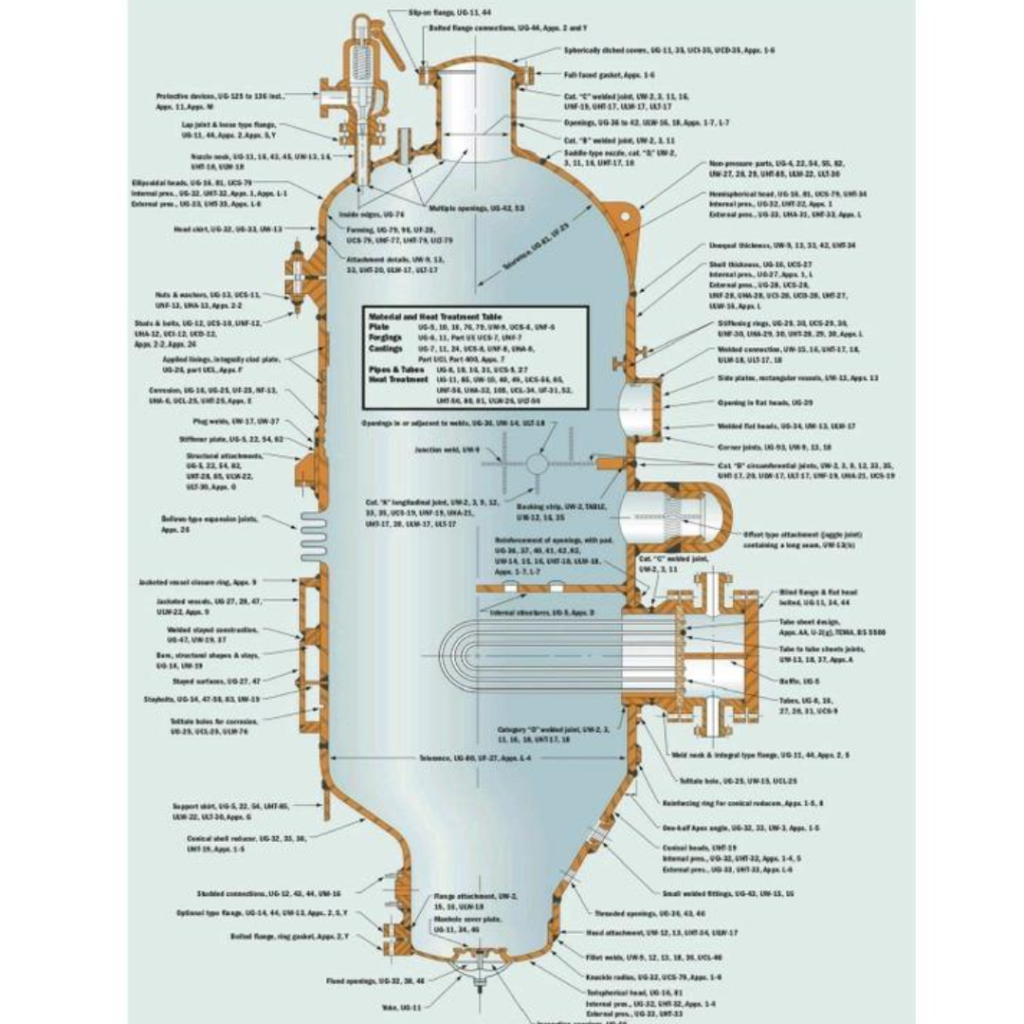
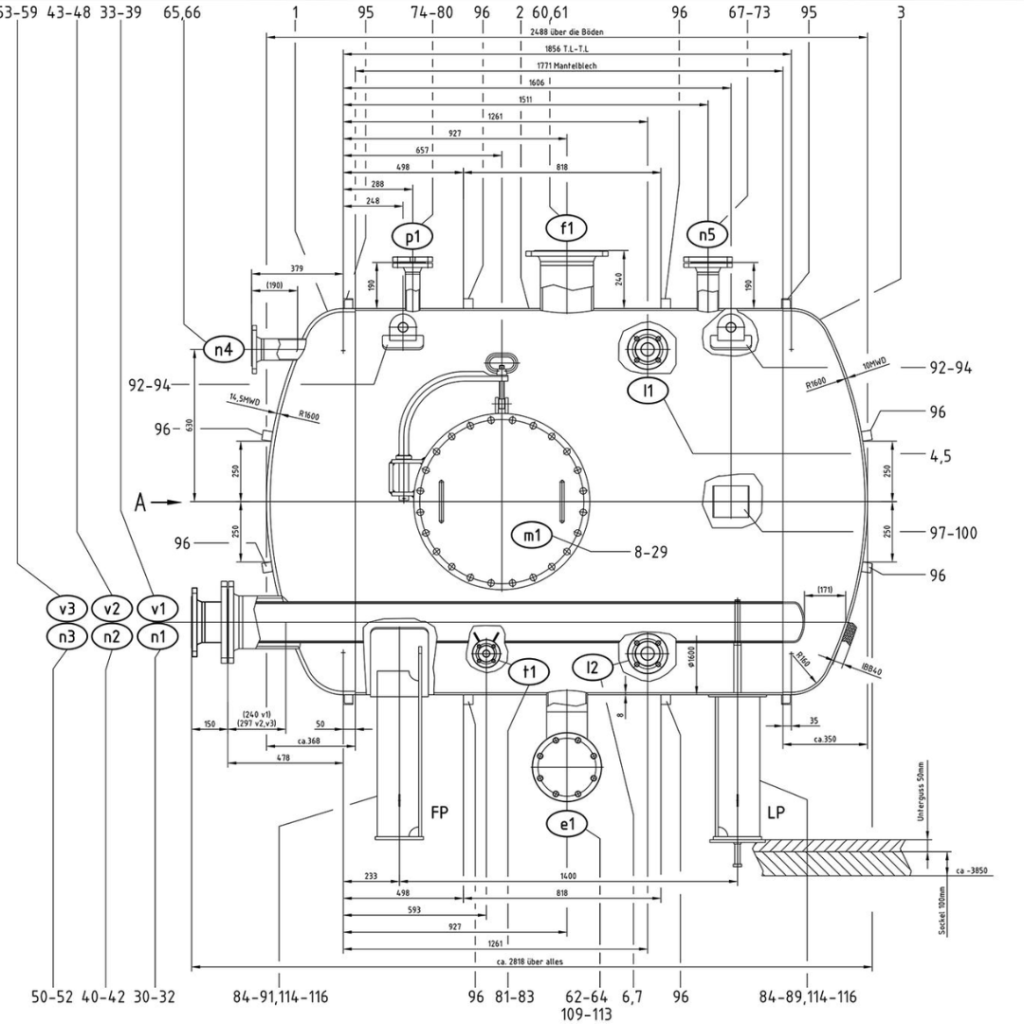
Pressure Vessels Design
Types of Pressure Vessels
Pressure vessels can be classified based on their shape, orientation, function, and operating conditions.
1. Vertical Pressure Vessels
Vertical pressure vessels are installed in an upright position and are useful when floor space is limited. They are commonly used for storage, separation, and process applications.
2. Horizontal Pressure Vessels
Horizontal vessels are installed parallel to the ground. They are frequently used for gas storage, liquid storage, separators, and various industrial processes.
3. Spherical Pressure Vessels
Spherical vessels have a spherical shape that distributes pressure relatively evenly throughout the vessel wall. They are generally used for high-pressure storage applications.
4. Storage Pressure Vessels
These vessels are designed to store pressurized gases or liquids safely. Their capacity and construction depend on the stored medium and operating conditions.
5. Process Pressure Vessels
Process vessels are used as part of an industrial process. They may perform functions such as mixing, reaction, separation, heating, or cooling.
6. Reactors
Pressure reactors are designed for chemical or other controlled reactions that take place under specific pressure and temperature conditions.
7. Air Receivers
Air receiver vessels are commonly used with compressed-air systems. They store compressed air and help stabilize pressure within the system.
Applications of Pressure Vessels
Pressure vessels have applications across many industries.
- Chemical Industry: Chemical plants use pressure vessels for storing, mixing, heating, cooling, and processing different chemicals.
- Pharmaceutical Industry: Pharmaceutical manufacturing uses specialized process vessels for controlled production, storage, and processing operations.
- Oil and Gas Industry: Pressure vessels are used for gas storage, separation, processing, and other applications throughout oil and gas facilities.
- Food Processing: Suitable pressure vessels are used in food and beverage processing for applications involving controlled pressure, temperature, mixing, and storage.
- Power Plants: Power-generation facilities use pressure equipment in steam, boiler, compressed-air, and other process systems.
- Water and Wastewater Treatment: Pressure vessels can be used in water treatment systems, filtration systems, compressed-air systems, and other treatment-related processes.
- Manufacturing Industries: Various manufacturing facilities use pressure vessels for compressed air, process fluids, heating, cooling, and specialized production applications.
Pressure Vessel Design
Pressure vessel design is an important engineering process because the vessel must safely withstand its intended operating conditions.
Several factors are considered during designing of Pressure Vessels, including:
- Design pressure
- Operating pressure
- Design temperature
- Operating temperature
- Vessel capacity
- Material selection
- Corrosion allowance
- Vessel orientation
- Wall thickness
- Nozzle requirements
- Internal components
- Support arrangement
- Applicable design standards
- Inspection and testing requirements
The design should account for the loads and conditions that the vessel is expected to experience during operation.
Material Selection for Pressure Vessels
Material selection depends on the operating environment and the characteristics of the material being stored or processed.
Common materials may include:
- Carbon steel
- Stainless steel
- Low-alloy steel
- Special alloy materials
Factors such as corrosion resistance, temperature, pressure, chemical compatibility, mechanical strength, fabrication requirements, and service conditions should be considered when selecting the material.
Pressure Vessel Manufacturing Process
The manufacturing process involves several carefully controlled stages.
1. Engineering and Design
The process begins with engineering calculations and preparation of manufacturing drawings based on the required operating conditions and applicable standards.
2. Material Procurement
Suitable plates, pipes, forgings, flanges, and other components are selected and procured according to the approved specifications.
3. Cutting and Preparation
Metal plates are cut to the required dimensions. Edges are prepared for welding using appropriate cutting and beveling processes.
4. Forming and Rolling
Depending on the vessel design, plates are rolled or formed into cylindrical, conical, or other required shapes.
5. Welding and Fabrication
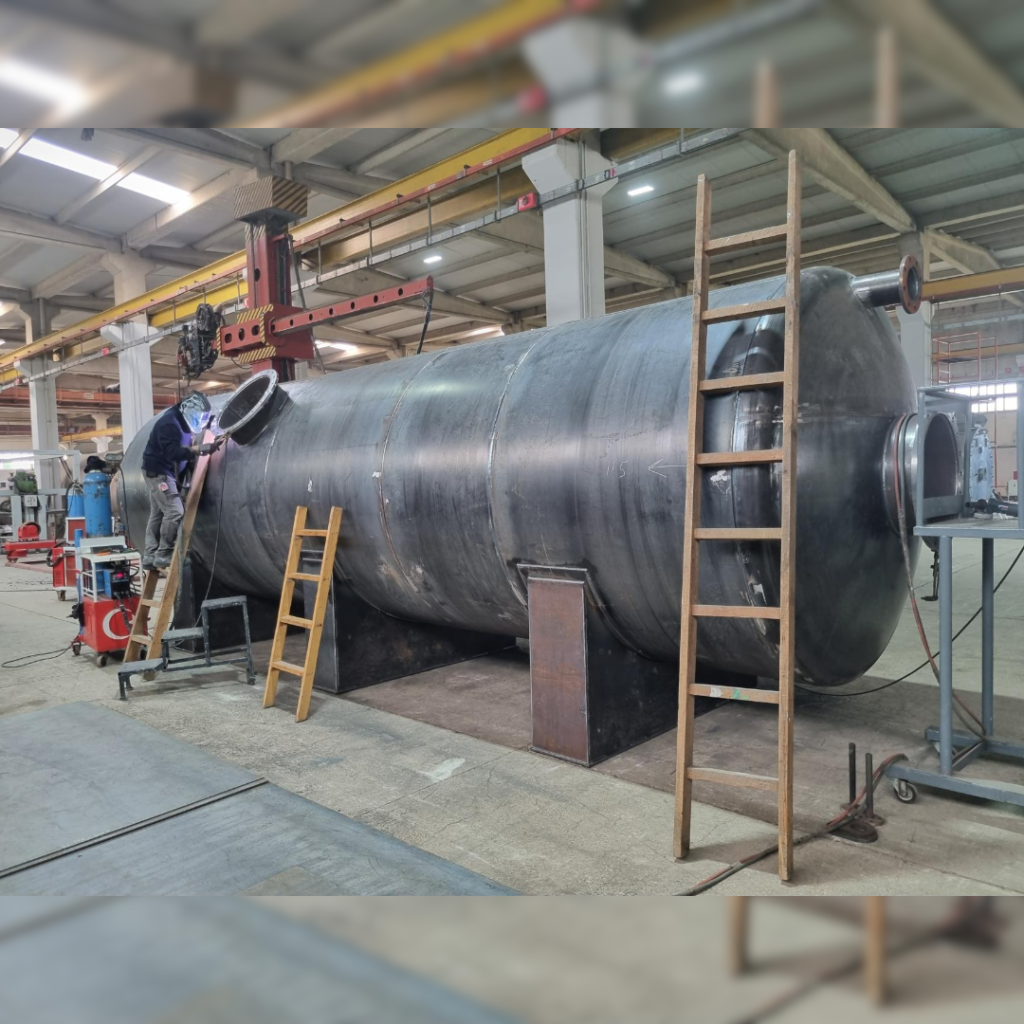
The formed sections are assembled and welded using qualified welding procedures. Welding quality is critical because weld joints are important structural areas of a pressure vessel.
6. Installation of Nozzles and Components
Nozzles, flanges, supports, manways, lifting lugs, and other required components are installed according to the engineering drawings.
7. Inspection and Non-Destructive Testing
Welds and fabricated components may undergo inspection and appropriate non-destructive testing methods to identify defects that may not be visible during normal visual inspection.
8. Pressure Testing
The completed vessel may undergo pressure testing as required by the applicable design code and inspection requirements. Testing helps verify the integrity of the vessel before it is placed into service.
9. Surface Treatment and Finishing
Depending on the application, the vessel may undergo cleaning, surface preparation, painting, coating, or other finishing processes.
10. Final Inspection
The completed pressure vessel is inspected against the approved drawings, specifications, testing requirements, and applicable standards before dispatch or installation.
Importance of Pressure Vessel Safety
Safety is one of the most important considerations when designing and manufacturing pressure vessels. Failure of a pressurized vessel can result in serious equipment damage and safety hazards.
For this reason, pressure vessels should be designed, fabricated, inspected, and tested according to the applicable codes, standards, and regulatory requirements. Proper installation, periodic inspection, maintenance, and safe operating procedures are also important throughout the vessel’s service life.
Conclusion
Pressure vessels are an essential part of many industrial processes where gases and liquids need to be stored or processed under controlled pressure conditions. From vertical and horizontal vessels to storage vessels, reactors, separators, and air receivers, different designs are available for different industrial requirements.
A pressure vessel’s performance and safety depend on proper design, material selection, manufacturing, welding, inspection, testing, installation, and maintenance. Working with an experienced manufacturer such as Hardcore Engineers, one of the leading pressure vessel manufacturers can help industries obtain pressure vessel solutions suited to their specific process and operating requirements.